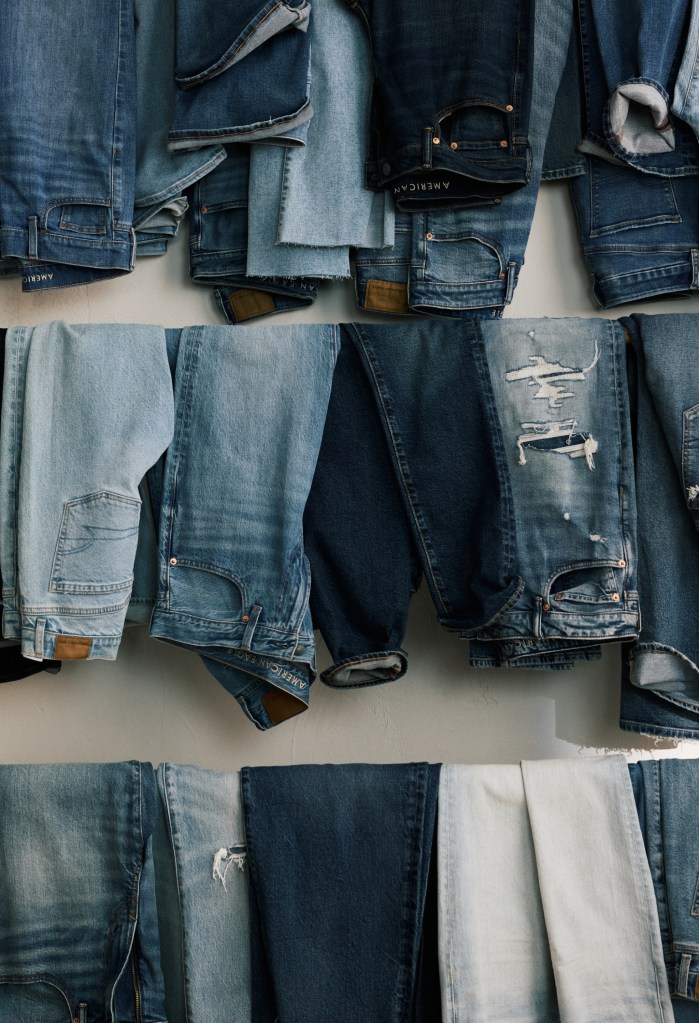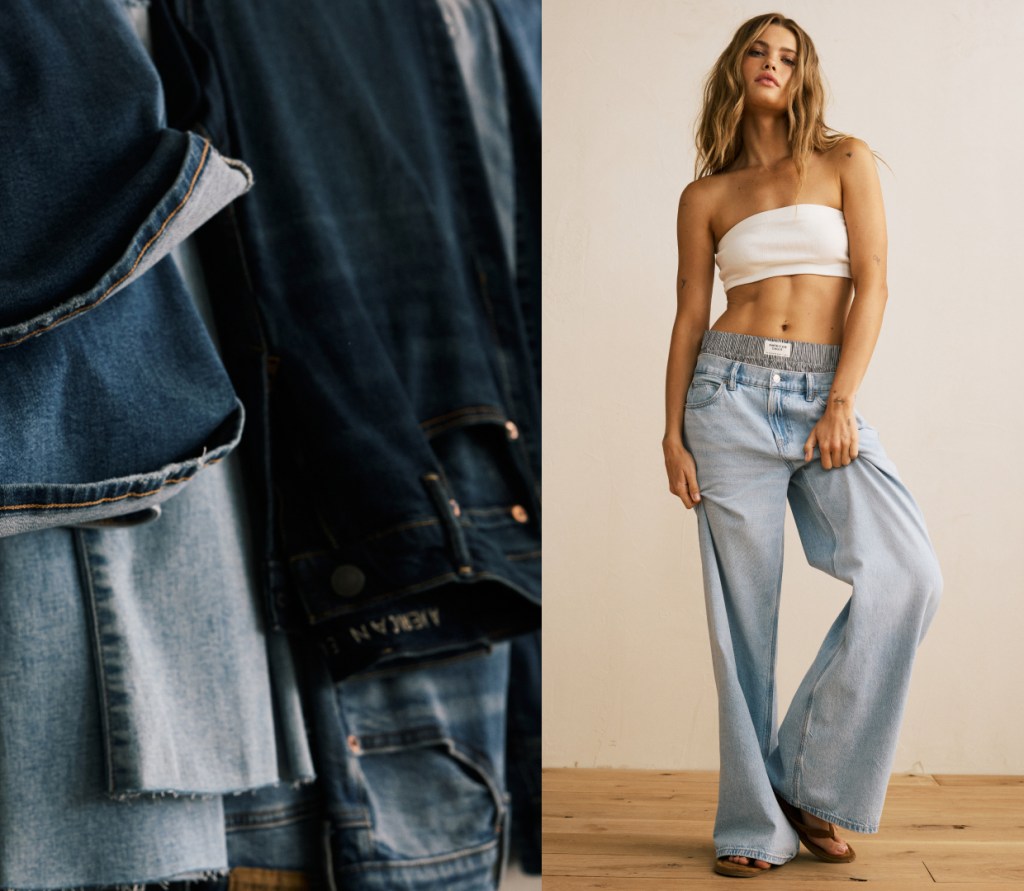
At American Eagle, denim runs deep. It’s the fabric behind everything we do, since 1977. Knowing how to wash jeans the right way helps your favorite pair last for years, fading and softening beautifully along the way. With a few simple habits worked into your regular laundry routine, washing jeans doesn’t have to be complicated, and your favorite pair of jeans can become a true closet staple that only gets better with every single wear, softening and shaping to you—instead of wearing out.
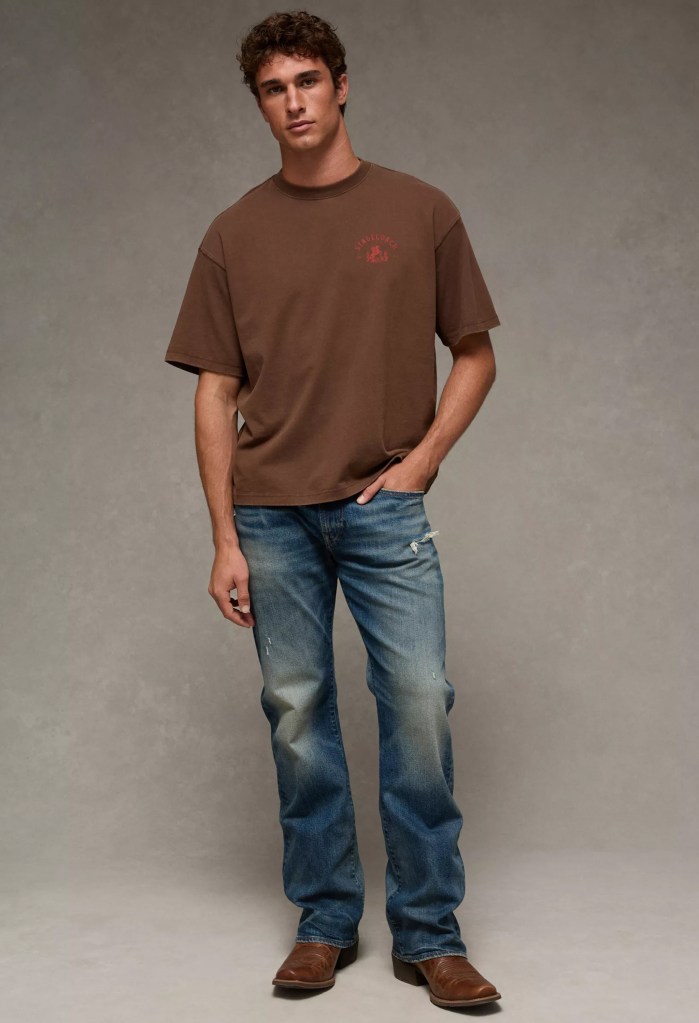
How to Wash Jeans: Step-by-Step
Ready to get started? Follow these five simple steps every time you throw your jeans in the wash, and you’ll help preserve their fit, color, and shape wash after wash, no matter how many times they’ve already been through the cycle.
Step 1: Fasten All Closures Before Washing
Before your jeans hit the wash, zip every zipper and button every button. This keeps their structure intact and stops metal hardware from snagging on your denim, or anyone else’s clothes, while everything tumbles around together.
Skipping this step might not seem like a big deal, but over time, an unfastened zipper can catch on belt loops, pockets, or delicate fabrics and cause small tears or snags that add up wash after wash. It only takes a few extra seconds, and it’s one of the easiest habits to build into your routine.
While you’re at it, double check every pocket. Loose coins, keys, or a stray pen can scratch up the washing machine, dent buttons, or even damage other clothes in the load.
Step 2: Turn Jeans Inside Out
Turning your jeans inside out helps protect the outer fabric and color from friction and fading in the wash, since the fabric’s inside takes the brunt of the tumbling, instead of the side everyone sees.
Step 3: Choose a Cold, Gentle Cycle
Cold water is your denim’s best friend. It helps prevent shrinking and keeps color bleed to a minimum, so your jeans keep their original fit and shade wash after wash. Pair it with the gentle cycle, or your machine’s gentlest setting, to cut down on the wear and tear that builds up over repeated washes.
Hot water might feel like it gets things cleaner, but for denim, it does the opposite: it breaks down fibers faster and sets you up for shrinkage that’s tough to reverse. When in doubt, colder and gentler is always the safer call for your jeans.
If your washer has a delicate or hand-wash setting, that’s another easy way to be gentler on your denim, especially for jeans with a bit of stretch or added spandex.
It’s also smart to wash denim with similar colors, or on its own, especially in the first few cycles. This keeps darker dyes from transferring onto lighter pieces in the same load.
Step 4: Use the Right Detergent
Reach for a mild detergent that’s formulated to be gentle on fabric rather than a heavy-duty formula built for tougher stains and grease. Harsh detergents can wear down denim fibers and fade color faster than you’d like, especially on darker washes that show fading first.
A little goes a long way, too. Using less detergent than you think you need still gets jeans clean without leaving behind residue that dulls color and stiffens fabric over time.
Liquid detergents tend to dissolve more evenly than powders, which can leave a chalky residue behind on dark denim if it doesn’t fully rinse out.
Step 5: Air Dry
When it comes to how to dry jeans, skip the dryer if you can. High heat is one of the fastest ways to shrink denim and wear down its fibers over time. Instead, air dry your jeans inside out on a drying rack, away from humid spaces like the bathroom where they’ll take longer to dry and can start to smell musty.
Short on time? Use your dryer’s gentlest, lowest-heat cycle to dry them partway, then let them finish air drying the rest of the way instead of running a full high-heat cycle. Learning how to dry jeans properly is just as important as how you wash them if you want your fit to stay consistent wash after wash.
While your jeans are still damp, give them a quick shake and smooth out the waistband, pockets, and hems. It helps them dry back into their natural shape instead of wrinkled or twisted.

Common Mistakes When Washing Jeans
Even with the best intentions, a few common habits can shorten the life of your denim faster than normal everyday wear and tear.
- Fabric softener: Skip it! Fabric softener coats denim fibers and breaks down the fabric’s structure over time, which can leave jeans feeling less durable and looking duller than they should. Stick to a mild detergent instead, and your denim will thank you for it.
- Color bleed with new denim: Freshly dyed jeans can transfer color onto lighter fabrics during the first few washes, especially darker washes fresh off the shelf. Wash new, dark denim separately until the color sets to avoid staining other garments, then pair it confidently with pieces like our jackets once you know it’s colorfast.
- Overwashing: Washing your jeans after every single wear breaks down denim fibers and fades color faster than necessary, even if it feels like the tidier habit. Save the wash for when they actually need it, and your favorite pair will hold its shape, feel, and color much longer.
- Using hot water: Hot water might feel more thorough, but it’s one of the fastest ways to shrink jeans and set fading in place for good. Cold water gets the job done without putting your fit or your favorite wash at risk, so there’s no real tradeoff to make.
- Overloading the washing machine: Cramming too many items in with your jeans limits how freely they move through the cycle and increases friction between fabrics, which can lead to premature wear, pilling, and stress on seams and pockets. Giving your denim room to move is a simple fix that costs you nothing, even if it means running an extra, smaller load.
How to Wash Jeans FAQs
How do you wash jeans without them shrinking?
The key to washing jeans without shrinking is sticking to cold water and skipping the dryer entirely if you can. Cold water keeps denim fibers from tightening up, and air drying, instead of relying on high heat, locks in the fit you already love. A gentle cycle adds one more layer of protection against unwanted shrinkage.
Will jeans shrink in the wash?
Jeans can shrink in the wash, but it’s almost always caused by hot water or high heat in the dryer rather than the washing process itself. Following those two habits consistently is the easiest way to avoid surprises.
How often should I wash my jeans?
Most denim lovers can go anywhere from several wears to a few weeks between washes, since frequent washing isn’t necessary for most everyday denim and just speeds up fading and wear. If you’re wondering how often to wash jeans, let odor, visible stains, or feel be your guide rather than sticking to a strict schedule. Spot-cleaning between washes can also help you stretch the time between full cycles.
How do you wash jeans without ruining them?
Turn your jeans inside out, wash them in cold water on a gentle cycle, and skip the dryer to keep them looking and fitting their best. Avoiding fabric softener and harsh detergents also goes a long way in preserving denim’s color, feel, and structure over time.
How do you wash black jeans without losing the color?
Wash black jeans inside out in cold water, using a detergent made for dark colors when you can find one. Air drying instead of machine drying also helps prevent the fading that high heat causes, so your black denim stays true to its original shade for longer. Washing black jeans separately from lighter garments in the first few washes helps avoid any unwanted color transfer, and adding a splash of white vinegar to the wash can help set color even further.
How do you clean jeans without washing them?
Spot-clean small stains with a damp cloth and a touch of mild detergent, then let the area air dry completely before wearing again. For general freshening between washes, hang your jeans in a well-ventilated space or use a fabric freshening spray instead of tossing them in the machine.